Polonnaruwa: Medieval Capital of Sri Lanka
The Second Ancient Kingdom
Polonnaruwa, Sri Lanka's second ancient capital, flourished from the 11th to 13th centuries AD. This UNESCO World Heritage Site showcases well-preserved ruins of palaces, temples, and monasteries that demonstrate the pinnacle of medieval Sinhalese civilization and architecture.
The Royal Palace Complex
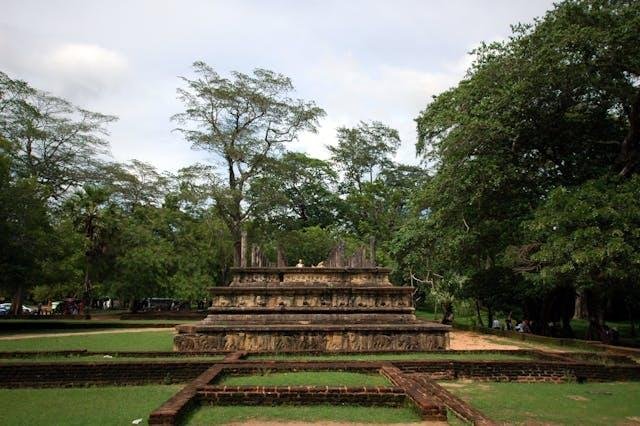
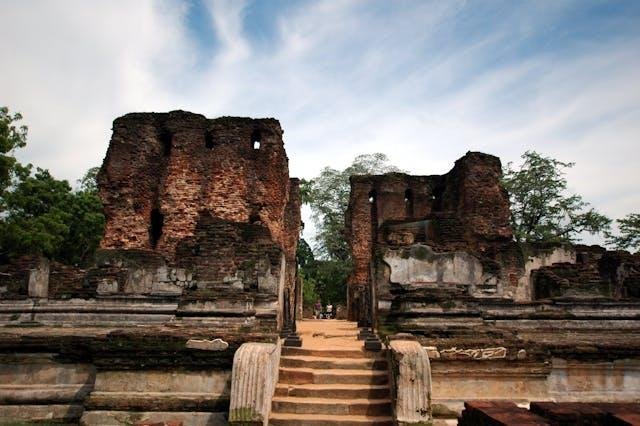
The ruins of King Parakramabahu's Royal Palace reveal the grandeur of medieval court life. The palace originally stood seven stories high with 1,000 rooms. Today, visitors can see the massive walls, the Council Chamber with its beautiful stone pillars, and the Royal Baths with sophisticated drainage systems.
Gal Vihara Rock Temple
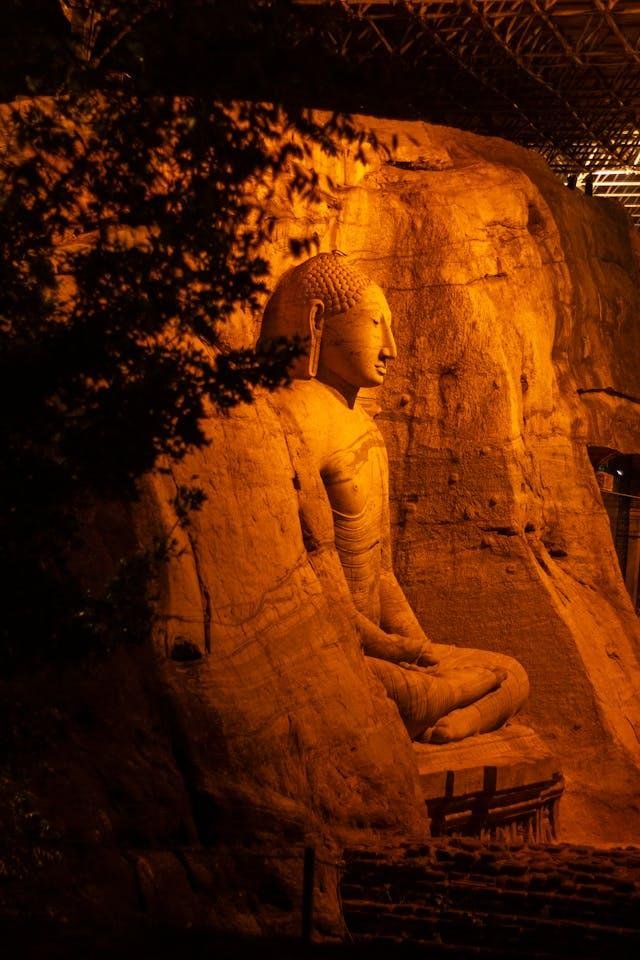
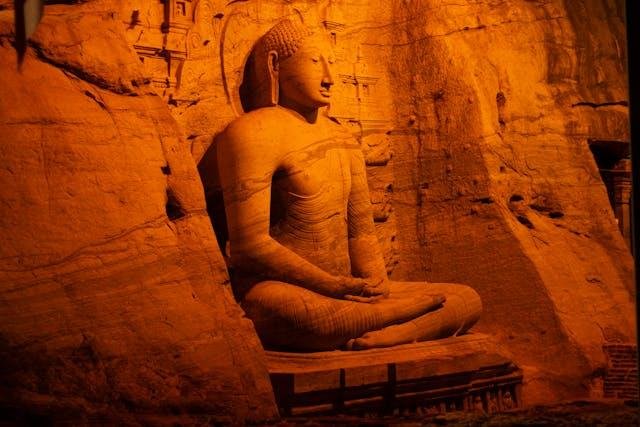
The crown jewel of Polonnaruwa is Gal Vihara, featuring four magnificent Buddha statues carved from a single granite rock face. The 7-meter standing Buddha and the 14-meter reclining Buddha are considered masterpieces of Buddhist sculpture, displaying exceptional skill in depicting the serenity of enlightenment.
Parakrama Samudra
This massive reservoir, built by King Parakramabahu I, covers 2,400 hectares and demonstrates ancient Sri Lankan hydraulic engineering expertise. The king's famous quote, "Let not even a drop of water flow into the sea without serving human needs," reflects his commitment to water conservation and agriculture.
The Quadrangle
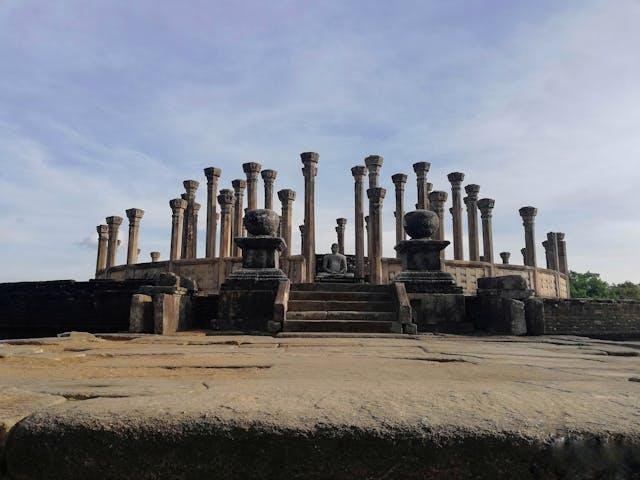
The Quadrangle (Dalada Maluwa) is the most concentrated area of ruins, including the Vatadage (circular relic house) with its intricate stone carvings and moonstone. The Thuparama image house features the only fully intact roof from the Polonnaruwa period, providing insights into ancient roofing techniques.
Archaeological Treasures
The site includes numerous other significant structures: the Rankot Vihara, the largest stupa in Polonnaruwa; the Kiri Vihara with its perfect white dome; and the Lankatilaka temple with its towering brick walls. Each structure tells part of the story of this medieval capital.
Exploring the Site
The archaeological park covers a large area best explored by bicycle or tuk-tuk. Allow a full day for thorough exploration. Wear comfortable walking shoes and bring sun protection. An early start helps avoid both heat and crowds. The Polonnaruwa Museum provides excellent context for understanding the ruins.