Sigiriya: The Eighth Wonder of the World
Introduction to Sigiriya
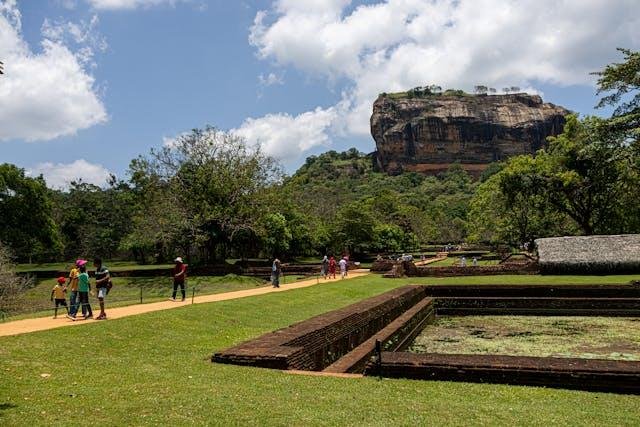
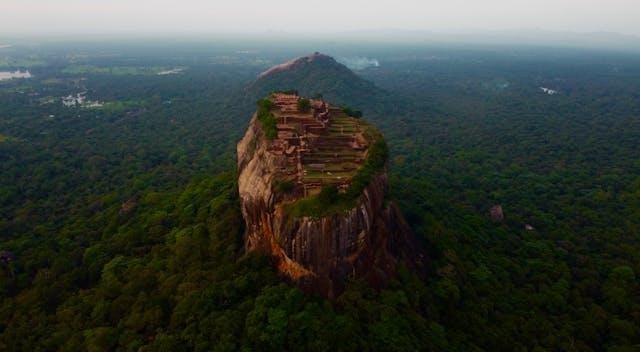
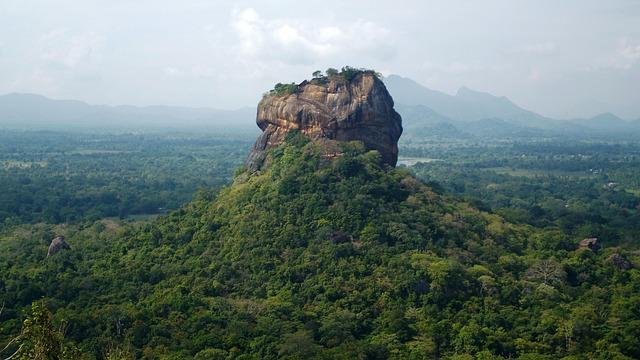
Rising majestically from the central plains of Sri Lanka, Sigiriya Rock Fortress stands as one of the most remarkable archaeological sites in Asia. This ancient rock fortress, dating back to the 5th century AD, was once the royal citadel of King Kashyapa and is now a UNESCO World Heritage Site.
The Lion Rock
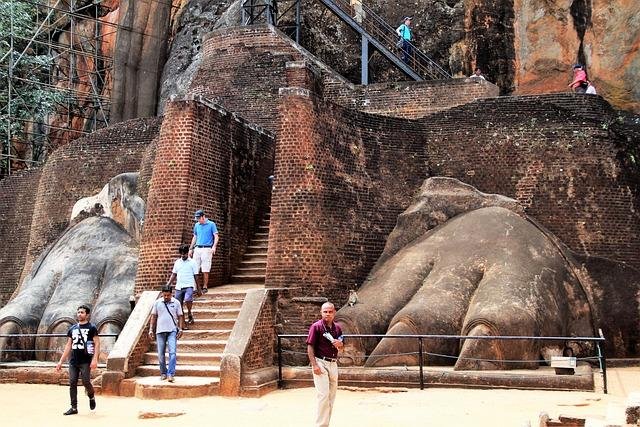
The name "Sigiriya" translates to "Lion Rock" in Sinhalese, and for good reason. At the entrance to the final ascent, visitors are greeted by the massive paws of a lion carved into the rock face. Though the lion's body has long since eroded, these remnants hint at the structure's former grandeur.
The Famous Frescoes
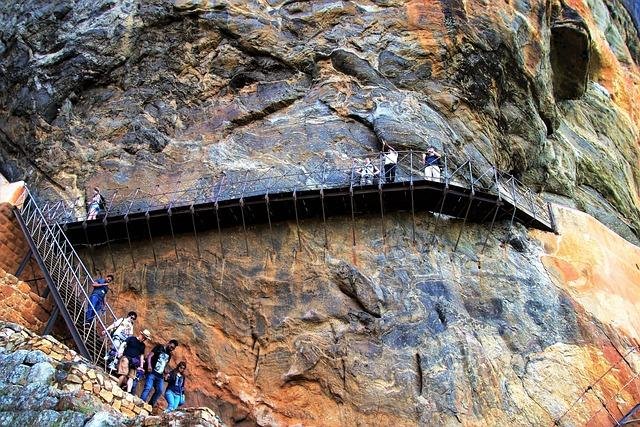
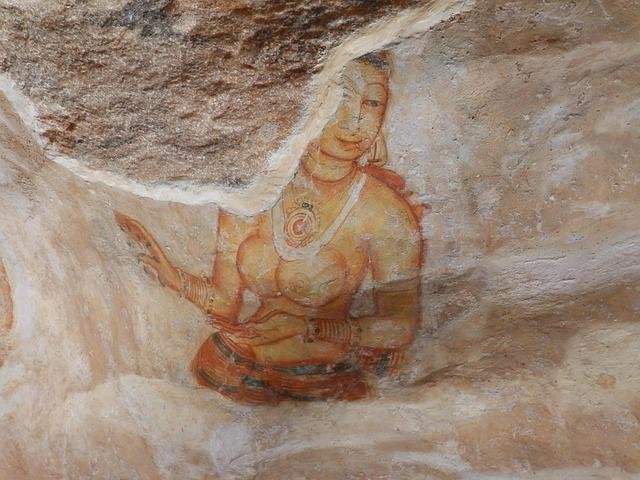
Midway up the rock, sheltered in a pocket of the cliff face, are the world-famous Sigiriya frescoes. These 5th-century paintings depict celestial maidens, known as "apsaras," adorned with jewels and flowers. Originally, there were said to be over 500 such paintings, but only 22 remain today, protected from the elements.
The Mirror Wall
Adjacent to the frescoes is the Mirror Wall, originally so highly polished that the king could see his reflection in it. Today, it bears ancient graffiti from visitors dating back to the 8th century, providing valuable insights into the site's historical significance.
The Summit Gardens
At the summit, visitors are rewarded with breathtaking panoramic views of the surrounding jungle and the remnants of the royal palace. The sophisticated water gardens, boulder gardens, and terraced gardens showcase the advanced hydraulic engineering of ancient Sri Lankan civilization.
Visiting Tips
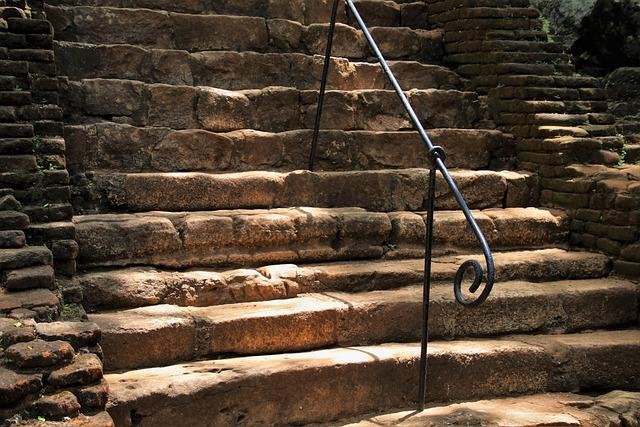
The best time to visit is early morning or late afternoon to avoid the midday heat. The climb involves approximately 1,200 steps and takes about 2-3 hours to complete. Comfortable shoes, water, and sun protection are essential. The site is open year-round, but the dry season from December to April offers the most pleasant weather.